

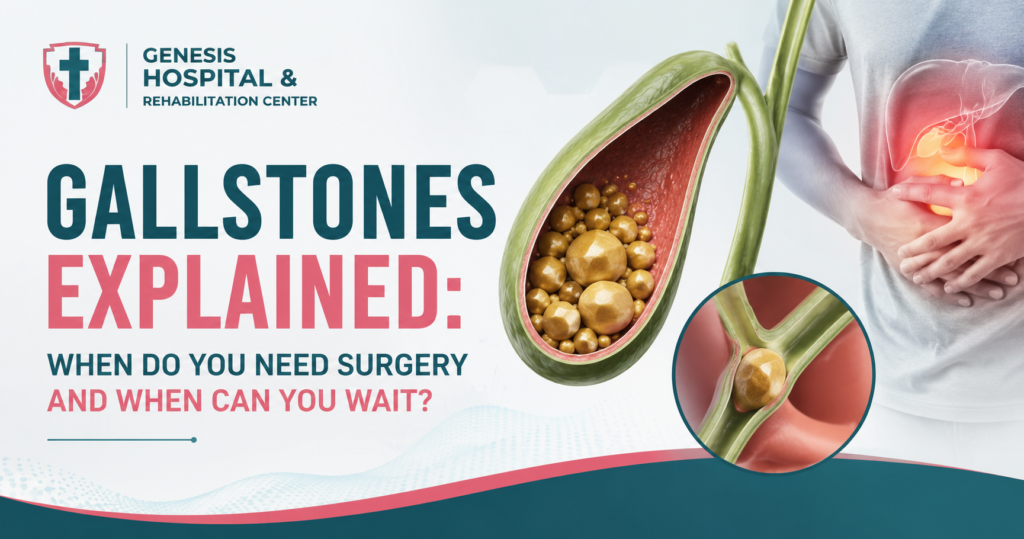
Gallstones are one of the most common digestive conditions, yet many people don’t know they have them until symptoms appear. While some gallstones remain harmless for years, others can cause severe pain and lead to serious complications if left untreated. This often leaves patients wondering whether surgery is necessary or if it is safe to wait.
The answer depends on several factors, including the size and location of the gallstones, the symptoms they cause, and your overall health. A qualified General Surgeon can assess your condition and recommend the most appropriate treatment. If you are also searching for a Breast Specialist in Pimpri-Chinchwad for comprehensive surgical care, choosing a multidisciplinary hospital can ensure expert treatment across multiple specialties.
What Are Gallstones?
Gallstones are hardened deposits that form inside the gallbladder, a small organ located beneath the liver. The gallbladder stores bile, a digestive fluid that helps break down fats.
According to the National Institute of Diabetes and Digestive and Kidney Diseases (NIDDK), gallstones form when substances in bile, such as cholesterol or bilirubin, become imbalanced and crystallize into stones.
There are two main types of gallstones:
- Cholesterol stones: The most common type, accounting for nearly 80% of cases.
- Pigment stones: Usually smaller and darker, formed due to excess bilirubin.
Many people develop gallstones without experiencing any symptoms.
What Causes Gallstones?
Gallstones develop due to a combination of factors rather than a single cause.
Common risk factors include:
- Being overweight or obese
- Rapid weight loss
- High cholesterol levels
- Diabetes
- Pregnancy
- Family history of gallstones
- Increasing age
- Female gender
- Diets high in fat and refined carbohydrates
The Mayo Clinic notes that obesity, age, certain medical conditions, and rapid weight loss significantly increase the risk of developing gallstones.
What Are the Symptoms of Gallstones?
Many gallstones never cause symptoms. These are known as silent gallstones and often do not require treatment.
However, symptomatic gallstones may cause:
- Sudden pain in the upper right abdomen
- Pain after eating fatty meals
- Pain that spreads to the back or right shoulder
- Nausea or vomiting
- Indigestion and bloating
Gallstone pain usually begins suddenly and may last from several minutes to a few hours.
If symptoms become frequent, medical evaluation should not be delayed.
When Can You Wait Instead of Having Surgery?
Not every patient with gallstones needs surgery immediately.
You may not need surgery if:
- Your gallstones were discovered accidentally during an ultrasound.
- You have no pain or digestive symptoms.
- Your gallbladder is functioning normally.
- There are no signs of infection or inflammation.
- Your doctor recommends regular observation.
According to NIDDK, most people with silent gallstones do not require treatment because the likelihood of developing symptoms is relatively low.
Your General Surgeon may recommend periodic follow-up instead of surgery if your gallstones remain asymptomatic.
When Is Gallbladder Surgery Recommended?
Surgery becomes the preferred treatment when gallstones begin affecting your quality of life or increase the risk of complications.
Surgery is usually recommended if you have:
- Recurrent attacks of gallbladder pain
- Acute gallbladder inflammation
- Gallstones blocking the bile duct
- Gallstone-related pancreatitis
- Infection of the gallbladder
- Fever associated with abdominal pain
- Jaundice
The American College of Gastroenterology recommends laparoscopic gallbladder removal for most patients with symptomatic gallstones because it effectively prevents future attacks.
Ignoring repeated symptoms may increase the risk of emergency surgery later.
What Happens If Gallstones Are Left Untreated?
Although silent gallstones are generally harmless, symptomatic gallstones can become dangerous if ignored.
Possible complications include:
- Acute cholecystitis (gallbladder infection)
- Blockage of the bile duct
- Jaundice
- Pancreatitis
- Severe bacterial infection
The Cleveland Clinic explains that untreated gallstones may eventually lead to serious complications requiring urgent medical care.
This is why recurring gallbladder pain should always be evaluated by a General Surgeon.
How Is Gallstone Disease Diagnosed?
Diagnosis usually begins with a physical examination and a review of your symptoms.
Common investigations include:
- Abdominal ultrasound
- Blood tests
- CT scan in selected cases
- MRI or MRCP when bile duct stones are suspected
Ultrasound remains the first-line imaging test because it is accurate, safe, and non-invasive.
What Is Laparoscopic Gallbladder Surgery?
The standard treatment for symptomatic gallstones is laparoscopic cholecystectomy.
This minimally invasive procedure involves removing the gallbladder through small incisions using a camera and specialized instruments.
Benefits include:
- Smaller incisions
- Less postoperative pain
- Faster recovery
- Shorter hospital stay
- Earlier return to normal activities
The Society of American Gastrointestinal and Endoscopic Surgeons recognizes laparoscopic cholecystectomy as the preferred surgical approach for most patients with symptomatic gallstones.
Can You Live Normally Without a Gallbladder?
Yes. Most people live completely normal lives after gallbladder removal.
The liver continues producing bile, but instead of being stored in the gallbladder, it flows directly into the small intestine.
Some patients may temporarily experience:
- Mild diarrhea
- Bloating
- Difficulty digesting fatty meals
These symptoms usually improve within a few weeks as the digestive system adapts.
How Can You Reduce the Risk of Gallstones?
Although not all gallstones can be prevented, certain lifestyle changes may lower your risk.
Healthy habits include:
- Maintain a healthy body weight.
- Avoid crash dieting.
- Exercise regularly.
- Eat more fruits, vegetables, and whole grains.
- Limit highly processed and fatty foods.
- Manage diabetes and cholesterol levels.
Gradual, sustainable weight loss is healthier than rapid dieting, which may actually increase gallstone formation.
When Should You Consult a General Surgeon?
Do not ignore symptoms that suggest gallstone disease.
Seek medical attention if you experience:
- Severe pain lasting more than a few hours
- Fever with abdominal pain
- Yellowing of the eyes or skin
- Persistent vomiting
- Repeated episodes of upper abdominal pain
Early treatment often prevents serious complications and allows planned surgery instead of emergency intervention.
Expert Gallstone Care at Genesis Hospital
If you are experiencing gallbladder pain or have been diagnosed with gallstones, timely consultation is important. Dr. Trupti Tonpe at Genesis Hospital offers comprehensive evaluation and advanced surgical care for gallbladder conditions. Whether your symptoms require observation or minimally invasive surgery, treatment is personalized according to your health and lifestyle.
If you are looking for an experienced General Surgeon in Pimpri-Chinchwad, Genesis Hospital provides expert diagnosis, laparoscopic gallbladder surgery, and compassionate postoperative care to help you recover safely and return to your daily activities with confidence.
Hashtags
#Gallstones #GallbladderSurgery #GeneralSurgeon #LaparoscopicSurgery #DigestiveHealth #GallbladderHealth #MinimallyInvasiveSurgery #GenesisHospital #DrTruptiTonpe #GeneralSurgeonInPimpriChinchwad #Healthcare #PatientEducation